


Sustainable dining is no longer a lofty ideal, it is a measurable, operational reality at Alila Kothaifaru Maldives. Known for pairing refined luxury with environmental stewardship, the resort has achieved a 30% reduction in food waste after adopting FIT. Executive Chef Frank Wackerhagen calls the milestone “a testament to our team’s dedication and the transformative power of intuitive technology,” reflecting how innovation and culinary excellence can move in lockstep.
At Alila Kothaifaru, sustainability has evolved beyond a back-of-house initiative into a defining element of the guest experience. The resort’s partnership with Lightblue began with a clear goal: reduce waste without compromising quality.
How the Lightblue System Works
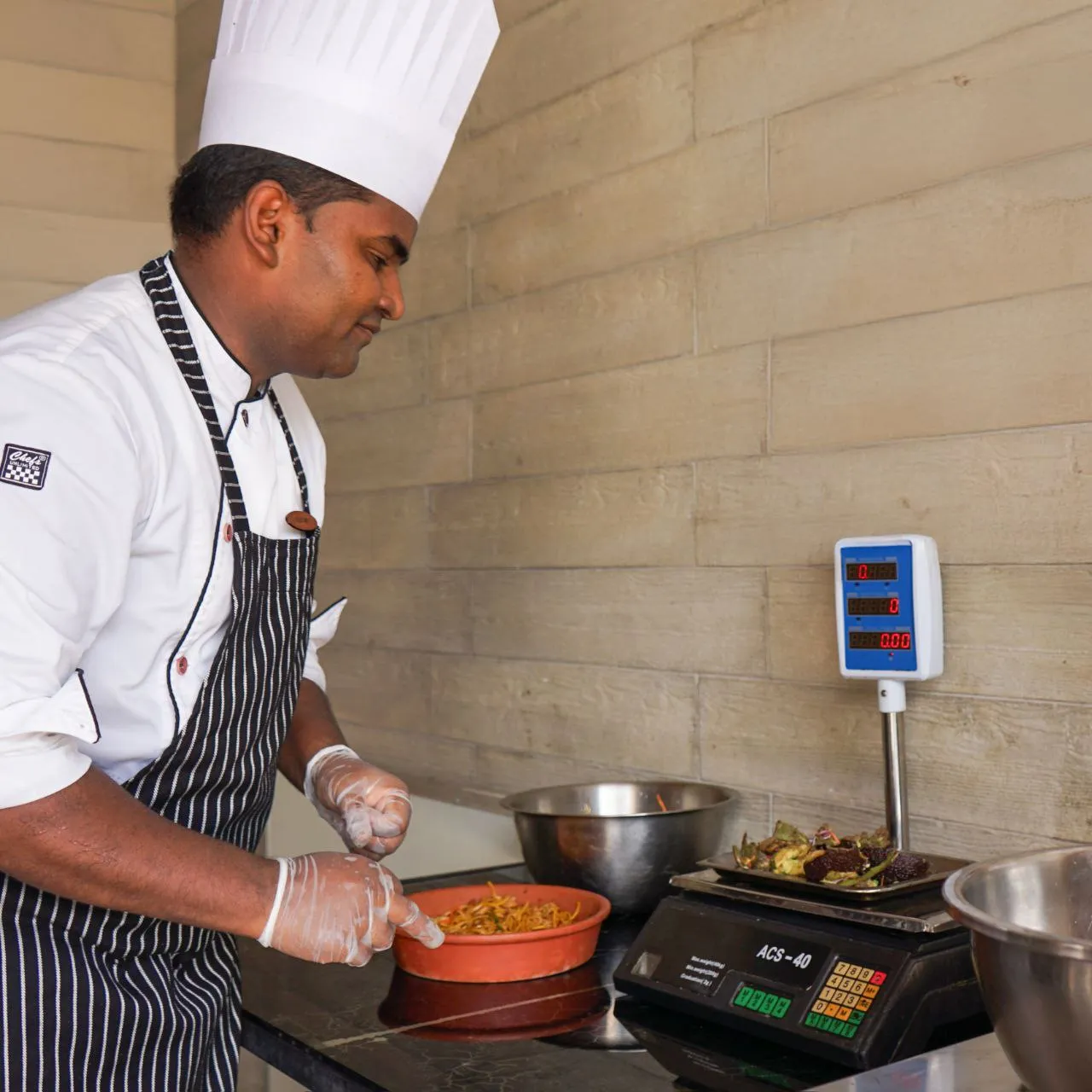
The success begins with usability. Lightblue’s interface is designed to be quickly adopted by busy culinary teams, enabling staff to log inventory, track waste, and plan menus with minimal friction. According to Chef Wackerhagen, the design “empowers our team to focus on culinary creativity rather than complex logistics.” This ease of use accelerates behavior change, making data entry and review a natural part of the workflow rather than a separate administrative task.
Behind the scenes, the system consolidates information from preparation, service, and disposal to reveal trends that would otherwise remain hidden. Real-time analytics highlight inefficiencies in prep and portioning, while smart inventory insights help prevent over-ordering. Automated reporting eliminates time-consuming spreadsheets and manual reconciliations, returning hours each week to culinary and service teams.
Why Food Waste Reduction Matters in the Maldives
In the Maldives, sustainability is more than a value, it is a necessity. As a low-lying island nation, the country is acutely vulnerable to sea-level rise and climate-driven weather extremes. Every operational decision that curbs emissions and conserves resources contributes to the long-term resilience of its communities and ecosystems. Food waste reduction plays a central role in that effort. Organic waste that ends up in landfills decomposes into methane, a potent greenhouse gas. On small islands where landfill space is limited and disposal often requires transport to designated waste islands, cutting waste at the source reduces emissions, lowers logistics burdens, and eases pressure on fragile waste management systems.
The Maldives also relies heavily on imported food, which carries significant transport emissions and costs. Reducing over-ordering and spoilage means fewer shipments, lighter cold-chain demands, and better use of local, seasonal products where available. That shift strengthens supply resilience, especially critical for remote resorts that face weather-related delivery delays. It also helps protect coral reef ecosystems, the foundation of Maldivian tourism, by reducing runoff from organic waste and enabling more careful sourcing that minimizes environmental impact. With freshwater largely supplied through energy-intensive desalination, any operational efficiency that decreases kitchen water and energy use further enhances sustainability.
For hospitality, the benefits span purpose and performance. Less waste translates to lower purchasing costs, more consistent quality, and menus built around freshness rather than excess. Guests increasingly expect visible, credible sustainability practices; delivering on those expectations enhances satisfaction and brand trust.
Building a Culture of Sustainability
Data is only as powerful as the actions it inspires, and at Alila Kothaifaru, FIT’s visual dashboards have become a focal point for team engagement. Real-time metrics are shared transparently, creating a common language for improvement. Line cooks, stewards, and managers alike now contribute ideas to reduce waste, from refining batch sizes to reimagining trimmings in new menu items.
Tangible Results Guests Can Taste
The numbers tell a compelling story: a 30% reduction in food waste achieved in just six months. These efficiencies translate directly to the plate. With tighter inventory control and better forecasting, ingredients are fresher, menus are more responsive to guest preferences, and seasonal creativity can flourish. The dining experience becomes both more refined and more responsible, luxury defined not by excess, but by intention.
FIT supports the full lifecycle of purchasing and preparation. Smarter inventory tracking curbs over-ordering and reduces spoilage. Real-time waste analytics illuminate where portions can be adjusted and prep steps streamlined. Automated reporting returns time that can be reinvested in menu development, training, and guest interaction. In combination, these operational improvements strengthen the resort’s ability to deliver consistency at scale while honoring its environmental commitments.
A Roadmap for Continuous Improvement
Alila Kothaifaru views this achievement as a beginning, not an endpoint. The team plans to deepen its use of FIT analytics to shape seasonal menus around historical waste patterns, fine-tuning offerings to guest demand and ingredient availability. Targeted training will translate insights into everyday best practices, ensuring new team members adopt the same standards from day one.
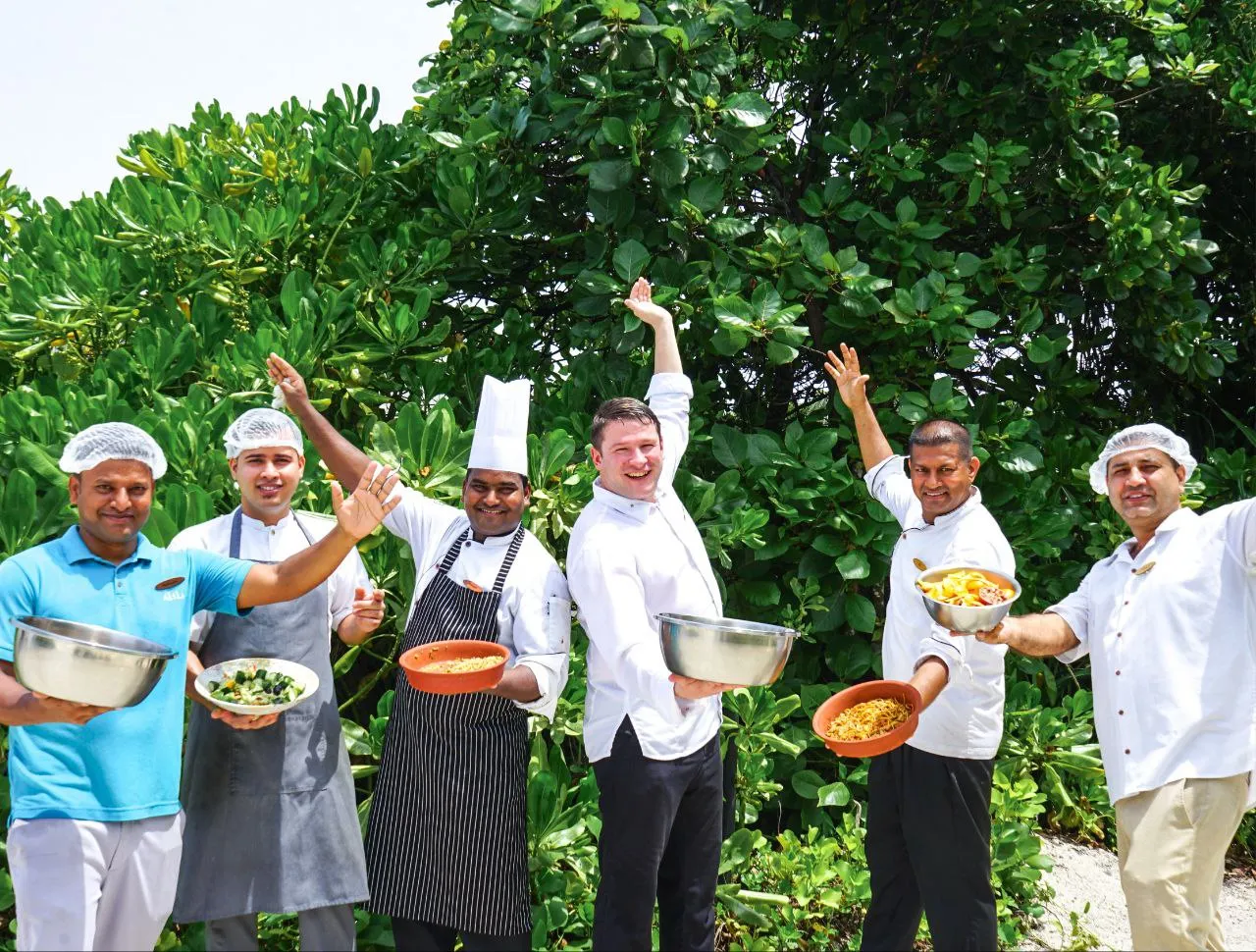
Leadership With Lasting Impact
The resort’s progress demonstrates that sustainability can drive innovation, strengthen finances, and elevate the guest experience. By proving that technology and tradition can coexist in the kitchen, Alila Kothaifaru is setting a benchmark for luxury properties across the region and beyond, redefining luxury through sustainability.
One plate, one insight, and one thoughtful decision at a time
Join the Movement
Alila Kothaifaru’s journey shows what is possible when data, design, and dedication come together. For operators looking to reduce waste, cut costs, and enrich their culinary identity, the path is clearer than ever. Learn how Lightblue can transform your operation at lightblue.solutions/fitech
For more information, email us directly at contact@lightblueconsulting.com