


Food waste policy across Europe has evolved rapidly in the last decade, driven by circular economy ambitions, climate targets, and growing corporate responsibility expectations. This blog synthesizes the regulatory landscape, practical implications for businesses, and key trends you should track if you operate in or across Europe.
Following up on the previous blog article about Asia, both Asia and Europe are increasingly coordinating food-waste policies around source separation, diversion to composting/anaerobic digestion, and safe donation, but their emphases differ. Europe centers on a harmonized, rights and data driven framework driven by EU directives and national laws. This means strong segregation mandates, comprehensive reporting, and well-developed donor guidelines or protections in many markets. For businesses, Europe typically offers clearer, more uniform regulatory expectations (though still country-specific).
Why Europe is distinctive
Europe stands out for its regulatory ambition, segregation discipline, and data-driven transparency in food waste policy. The EU provides a normative framework that pushes member states toward higher prevention, reduction, and valorization targets, supported by binding directives and substantial funding. Segregation and separate collection are common, with biodegradable and organic streams treated separately, yielding reliable feedstock for composting and anaerobic digestion and better traceability for donations. Donor liability and food bank guidance vary by jurisdiction, ranging from explicit protections to general food safety guidelines. Data and reporting are increasingly embedded in policy, with oversight of food waste generation, prevention actions, and recycling performance at municipal, utility, or large-generator levels. Infrastructure investment follows, expanding anaerobic digestion and composting facilities and deploying digital tools to optimize waste streams.

Key EU anchors shaping practice include the Waste Framework Directive, which codifies the waste hierarchy from prevention to disposal and obliges member states to take concrete steps to prevent waste while defining targets for separate collection of municipal waste. The Circular Economy Action Plan further drives national reforms toward reduced food waste, higher recycling rates, and supportive pathways for donor activities and recycled nutrients. EU policy signals like the Taxonomy align with corporate sustainability reporting expectations around circularity.
For European businesses, segregation and separate collection are likely required at most sites, especially large facilities such as hotels, retailers, and manufacturing plants. Access to high-value streams like anaerobic digestion or composting hinges on robust segregation, end-use traceability, and adherence to local rules. Companies can meet obligations through on-site treatment solutions where feasible or by contracting licensed off-site collectors who provide traceable end-use documentation. Donation remains valuable in many markets, but navigating local food-safety rules and donor liability exposure is essential. Data reporting is increasingly a compliance feature, so tracking waste quantities, diversion rates, and preventive actions matters for audits, incentives, and public disclosures.

EU-Level Regulatory Framework
The European Union's approach to food waste compliance is anchored by several key directives that set the most harmonized regulatory framework globally. The foundational Waste Framework Directive establishes the core waste hierarchy — from prevention to disposal — while the Circular Economy Action Plan drives national reforms toward EU food waste regulations with binding targets on recycling, composting, and anaerobic digestion. For businesses operating across Europe, the circular economy directive signals one consistent message: separate at source, document diversion, and prepare for increasingly stringent reporting requirements linked to the EU Taxonomy and corporate sustainability disclosure rules.

Regional Implementation Patterns in Europe
Northern and Western Europe
Northern and Western Europe, including the UK, Ireland, the Netherlands, Sweden, and Denmark, sets the standard for comprehensive waste management and food donation systems. These countries emphasize strict segregation of organic waste, robust producer responsibility schemes, and strong support networks for food donors.
The UK's post-Brexit framework maintains principles aligned with EU-originated guidance while incorporating national specifics to address local needs. The Netherlands and Denmark stand out with their advanced infrastructure, featuring extensive anaerobic digestion (AD) and composting capacity. Both countries offer generous incentives for collectors and processors, complemented by clear, well-defined rules for food donation and hygiene standards that provide confidence to all stakeholders.
Central Europe
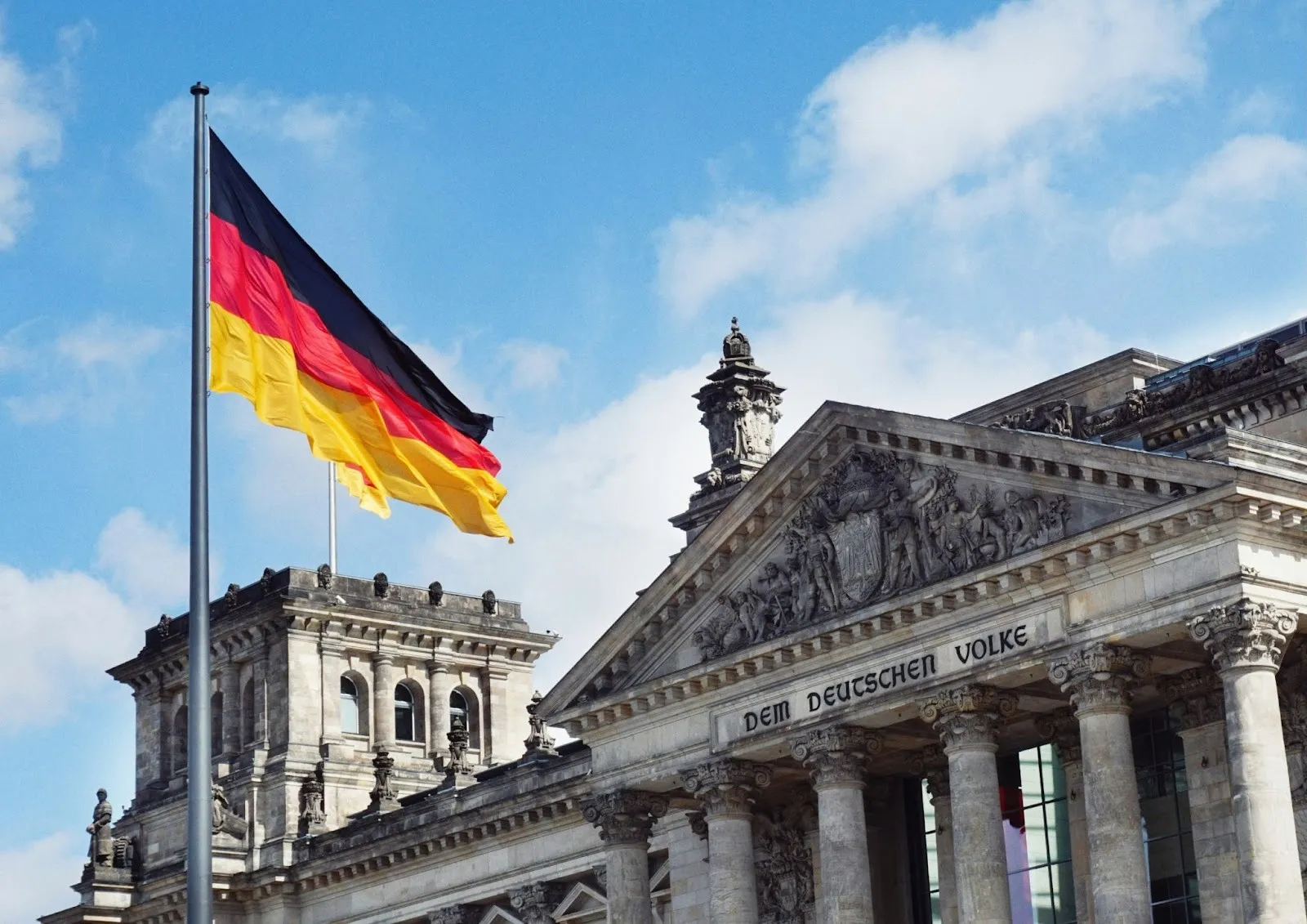
Germany and Austria exemplify Central Europe's commitment to high environmental standards. These countries maintain rigorous requirements for waste separation, with clear obligations for businesses to sort organics and participate in recycling streams. Their regulatory frameworks are particularly well-developed when it comes to donor guidelines and liability clarity across many sectors, making it easier for organizations to understand their responsibilities and protections when donating food or managing organic waste.
Southern Europe
Italy, Spain, and Portugal take a more decentralized approach, combining national targets with local ordinances to regulate separation, collection, and processing of organic waste. Food donation in these countries benefits from supportive guidelines and sector-specific programs designed to encourage participation. However, the degree of donor protection and liability clarity can vary significantly between regions and sectors, requiring donors to carefully navigate local requirements and understand their specific protections.
Eastern Europe and the Balkans
The Eastern European and Balkan regions present the most diverse landscape. Some countries have set ambitious targets and are actively developing their infrastructure, while others are still in the process of ramping up collection systems and establishing regulatory clarity. Food donor frameworks in these regions can be more limited or less developed, making careful due diligence essential for organizations operating in or with these countries. Despite these challenges, the region shows promising momentum toward improved waste management and food donation systems.

Operational Guidance for Compliance
Effective navigation of the European regulatory landscape requires a dynamic map of EU, national, and city-level rules to inform a reusable compliance playbook. A foundational step is implementing a standardized waste segregation program with clear labeling, comprehensive staff training, and routine audits, while ensuring waste contractors are licensed and provide full traceability of end-use. If food donation is pursued, establish strong governance through partnerships with reputable charities and strict adherence to food safety standards. Data collected on waste streams should drive compliance reporting, logistics optimization, supplier negotiations, and the pursuit of available incentives. Given the evolving EU climate policy, continuous monitoring of developments in packaging, waste frameworks, and local ordinances is essential, especially in markets expanding organics collection or introducing new reporting obligations.
Practical Implications for European Businesses
In practice, these EU mandates translate into operational requirements for facilities across hospitality, retail, and manufacturing. Companies must segregate food waste from other streams to comply with separate collection rules, a prerequisite for access to high-value treatments like anaerobic digestion. A strategic choice follows between installing on-site treatment technology or contracting licensed off-site collectors with verifiable end-use pathways, with decisions driven by scale, geography, and local incentives. Donating surplus edible food remains important but requires navigating local food safety regulations, liability considerations, and robust contractual partnerships. Data reporting and transparency are increasingly critical, with expectations to track and report waste diverted for recycling and preventive measures. While the EU provides an overarching framework, significant policy fragmentation at national and municipal levels necessitates local verification of targets, implementation methods, and penalties.
Read the Americas equivalent → Food Waste Laws Across America
Join the movement
Turn compliance into advantage by separating at source, tracking outputs, using licensed collectors, donating through reputable partners, and staying ahead of local start dates.
Lightblue makes this easy.
See how FIT Food Intel Tech turns regulations into results: https://www.lightblue.solutions/fitech
Contact: contact@lightblueconsulting.com

.jpeg)
.jpg)
